Building a World-Class Internal Audit Program with QMS Software
Why Internal Audits Are Your Most Valuable QMS Tool
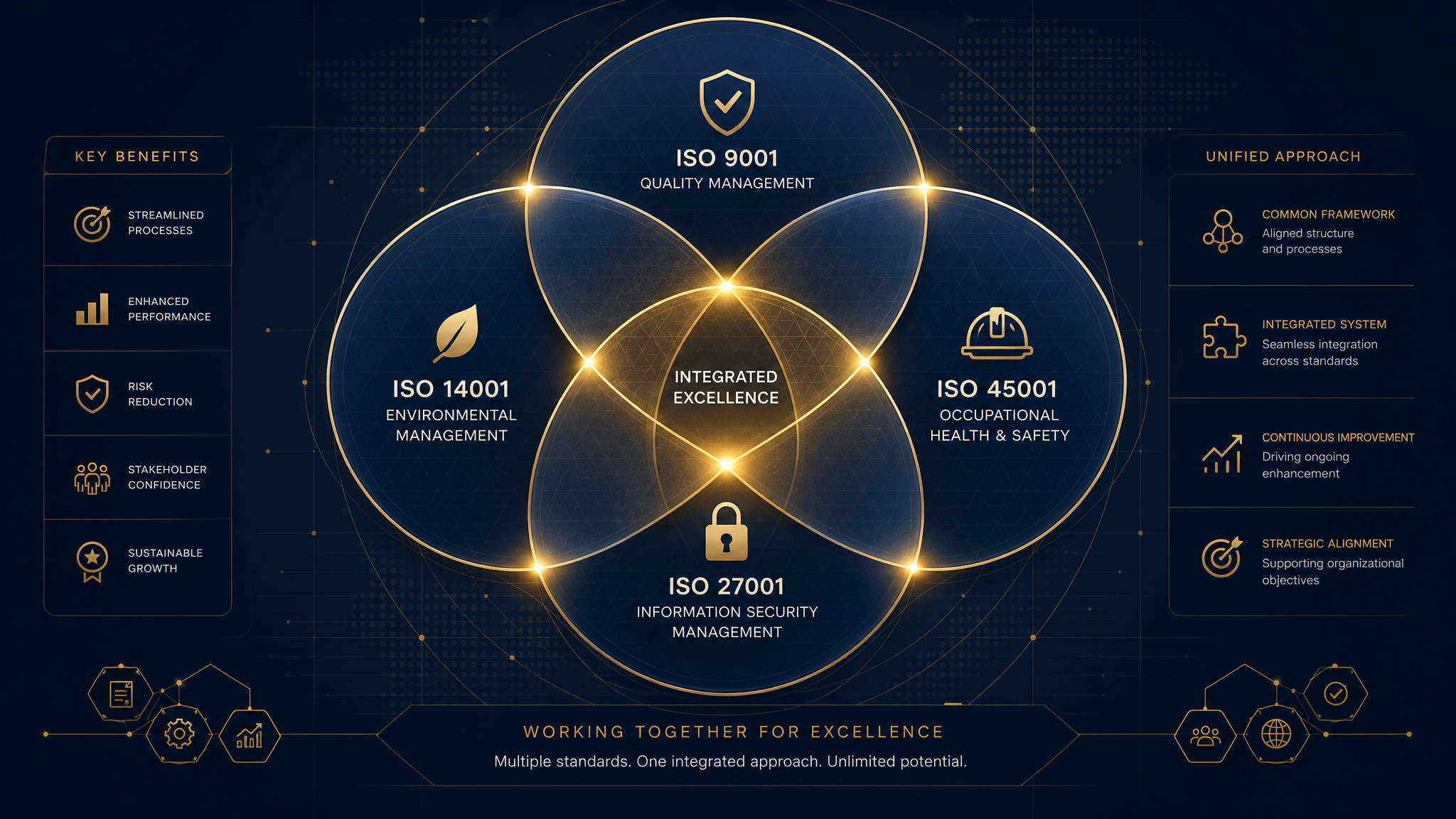
ISO 9001 Clause 9.2 requires organizations to conduct internal audits at planned intervals. But internal auditing shouldn't be viewed as a requirement to endure — it should be recognized as the most powerful improvement tool in your QMS arsenal.
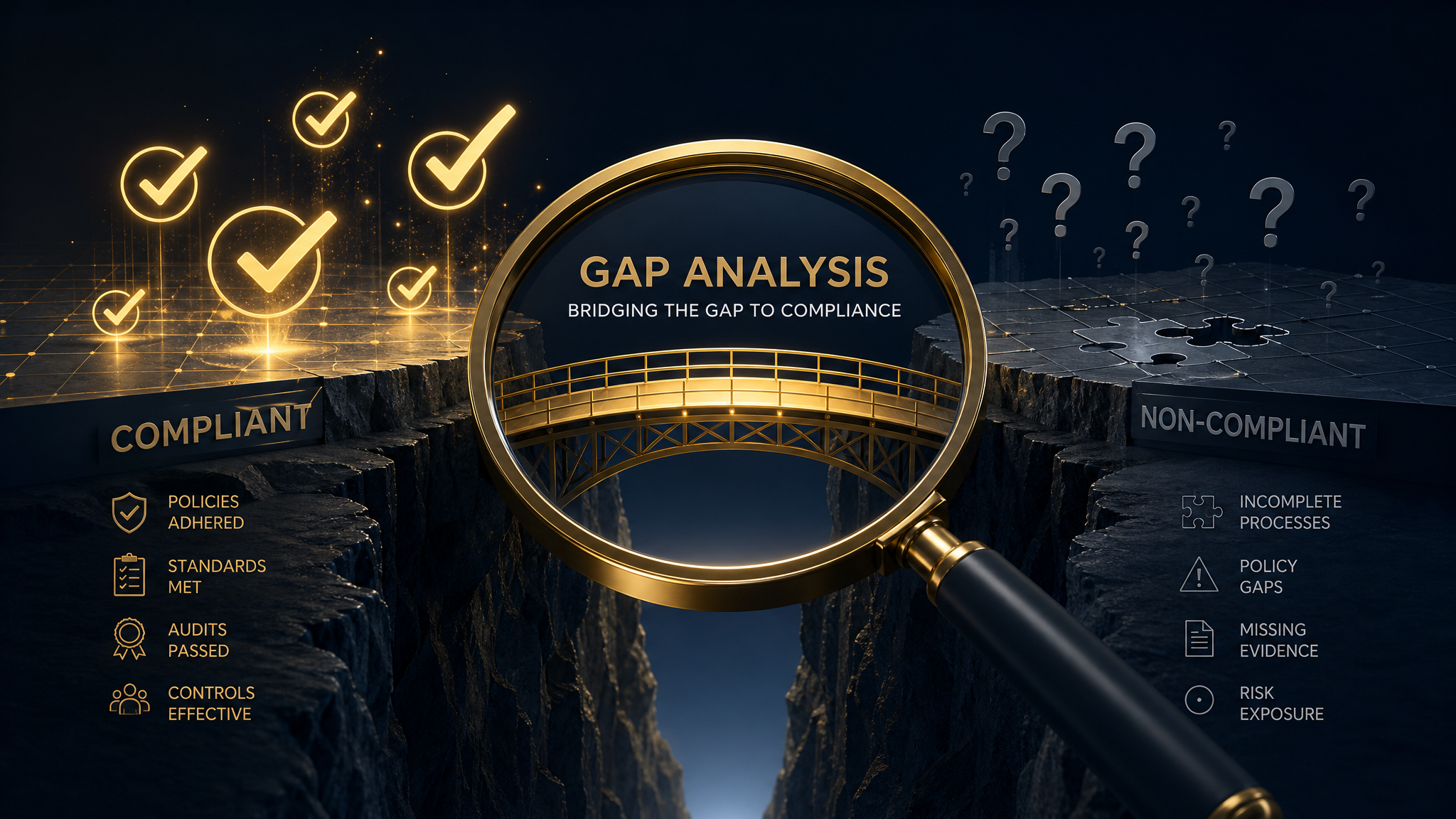
A well-executed internal audit program does what no other process can: it provides an independent, systematic assessment of whether your quality system is working as intended. It finds problems before external auditors do. It identifies improvement opportunities before customers experience failures.
The Four Components of an Effective Audit Program
1. Risk-Based Audit Schedule
Not every process needs the same audit frequency. Build your annual audit schedule based on:
High-risk processes might be audited quarterly, while stable, low-risk processes might be audited annually.
2. Competent Auditors
ISO 9001 requires that auditors are competent and objective — they cannot audit their own work. This means:
3. Systematic Audit Execution
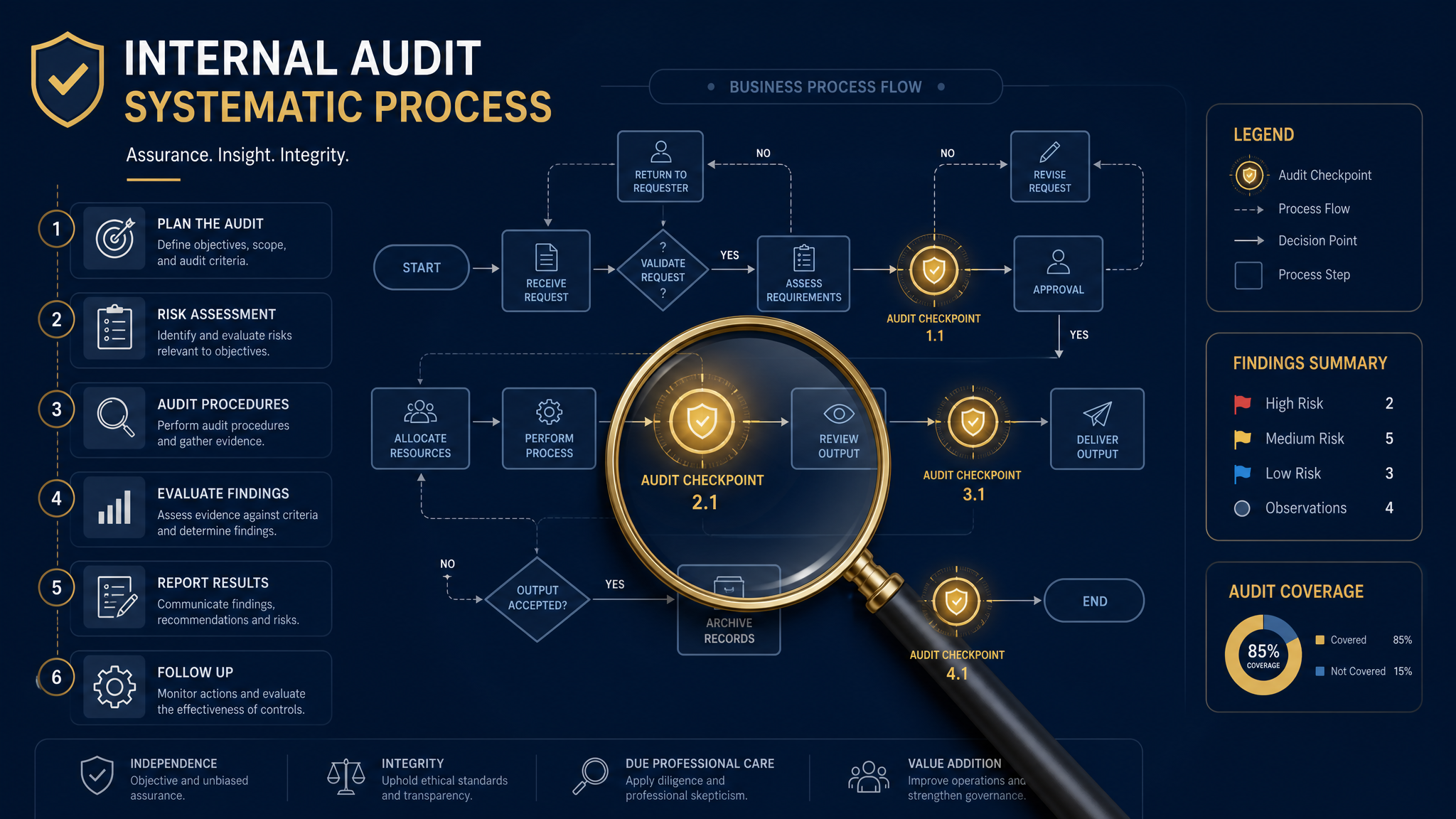
Each audit should follow a consistent methodology:
4. Finding Management and Follow-Through
This is where most programs fail. Findings without corrective actions are worthless. Your system must:
The Technology Gap
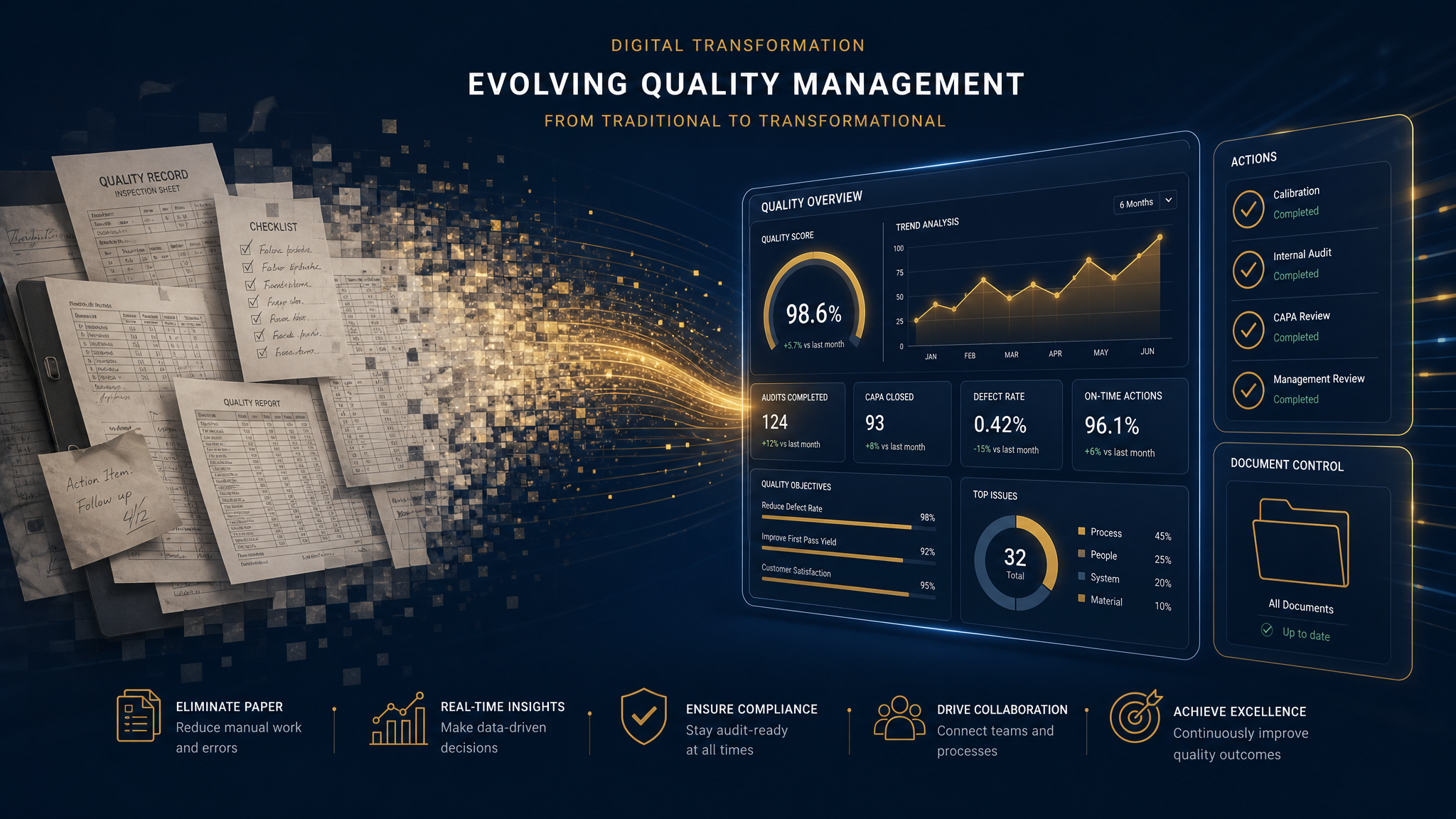
Most organizations manage their internal audit program through a combination of Word documents, Excel trackers, and email threads. This creates several problems:
How ExceleorQMS Elevates Your Audit Program
Our internal audit module provides end-to-end audit program management:
Your internal audit program is only as good as your ability to plan it, execute it, and act on what it reveals. Purpose-built software makes all three effortless.
See ExceleorQMS in Action
Experience how our platform automates compliance workflows, tracks CAPAs, and keeps you audit-ready — every day.