The Complete Guide to ISO 9001 Gap Analysis
What Is a Gap Analysis?
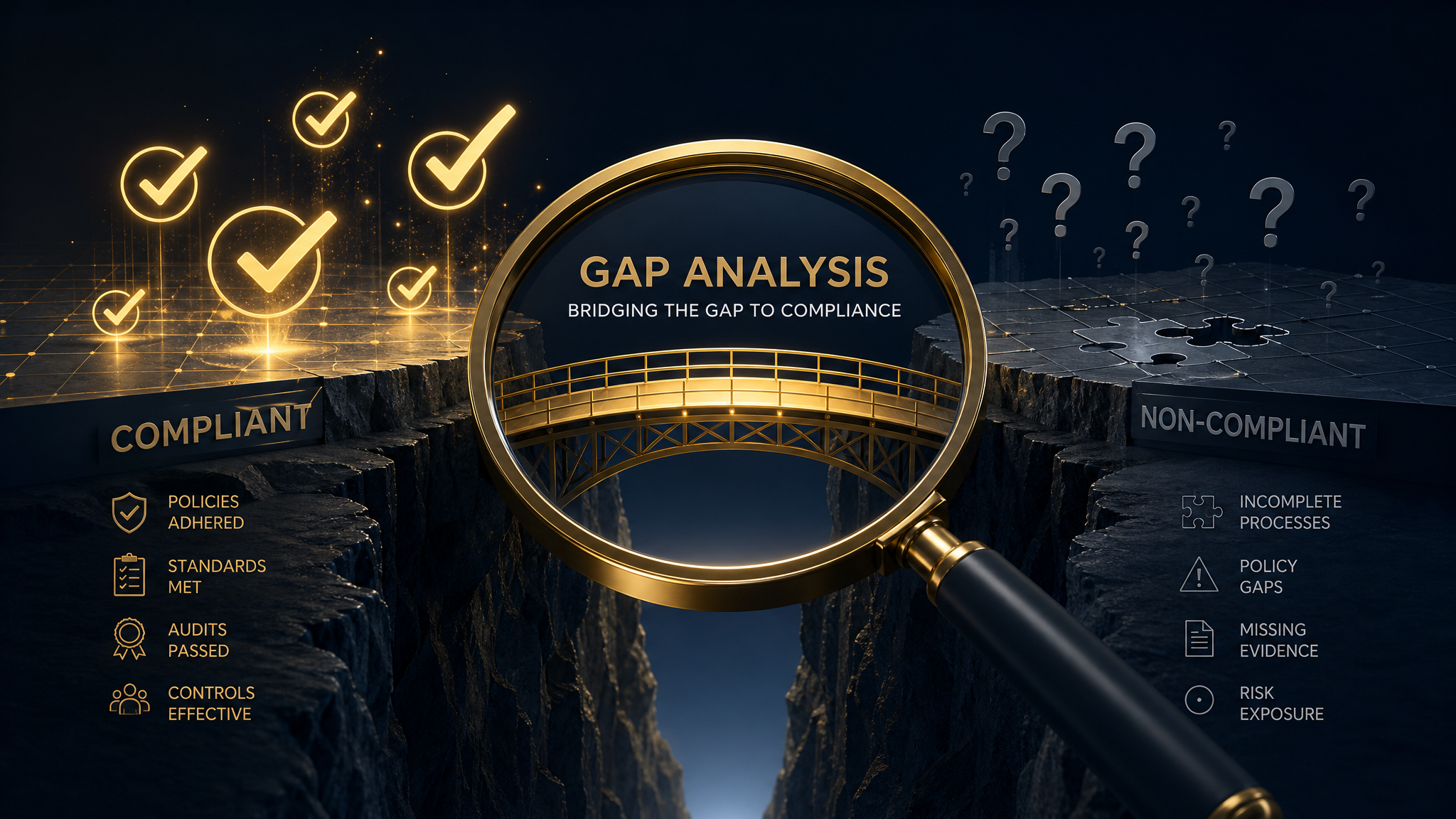
A gap analysis is a systematic comparison between your current management system practices and the requirements of ISO 9001:2015. It identifies where your organization already meets the standard and where improvements are needed.
Why Gap Analysis Matters
Before investing in a full certification audit, a gap analysis helps you:
The Clause-by-Clause Approach
ISO 9001:2015 has 10 clauses, with clauses 4–10 containing the auditable requirements:
Clause 4 — Context of the Organization: Have you identified internal and external issues? Interested parties? The scope of your QMS?
Clause 5 — Leadership: Is top management demonstrating commitment? Is a quality policy established and communicated?
Clause 6 — Planning: Are risks and opportunities addressed? Quality objectives set and planned?
Clause 7 — Support: Resources, competence, awareness, communication, and documented information — are they adequate?
Clause 8 — Operation: Product and service planning, customer communication, design, external provision, production, and release processes — are they controlled?
Clause 9 — Performance Evaluation: Monitoring, measurement, analysis, internal audits, and management reviews — are they happening?
Clause 10 — Improvement: Nonconformity, corrective action, and continual improvement — are they driving progress?
Using a Scoring System
At ExceleorQMS, we use a 0–4 scoring system for each clause requirement:
This scoring gives you a quantifiable compliance percentage and a clear roadmap for improvement.
Common Gaps We See
As a certified third-party auditor, the most common gaps I encounter are:
Next Steps
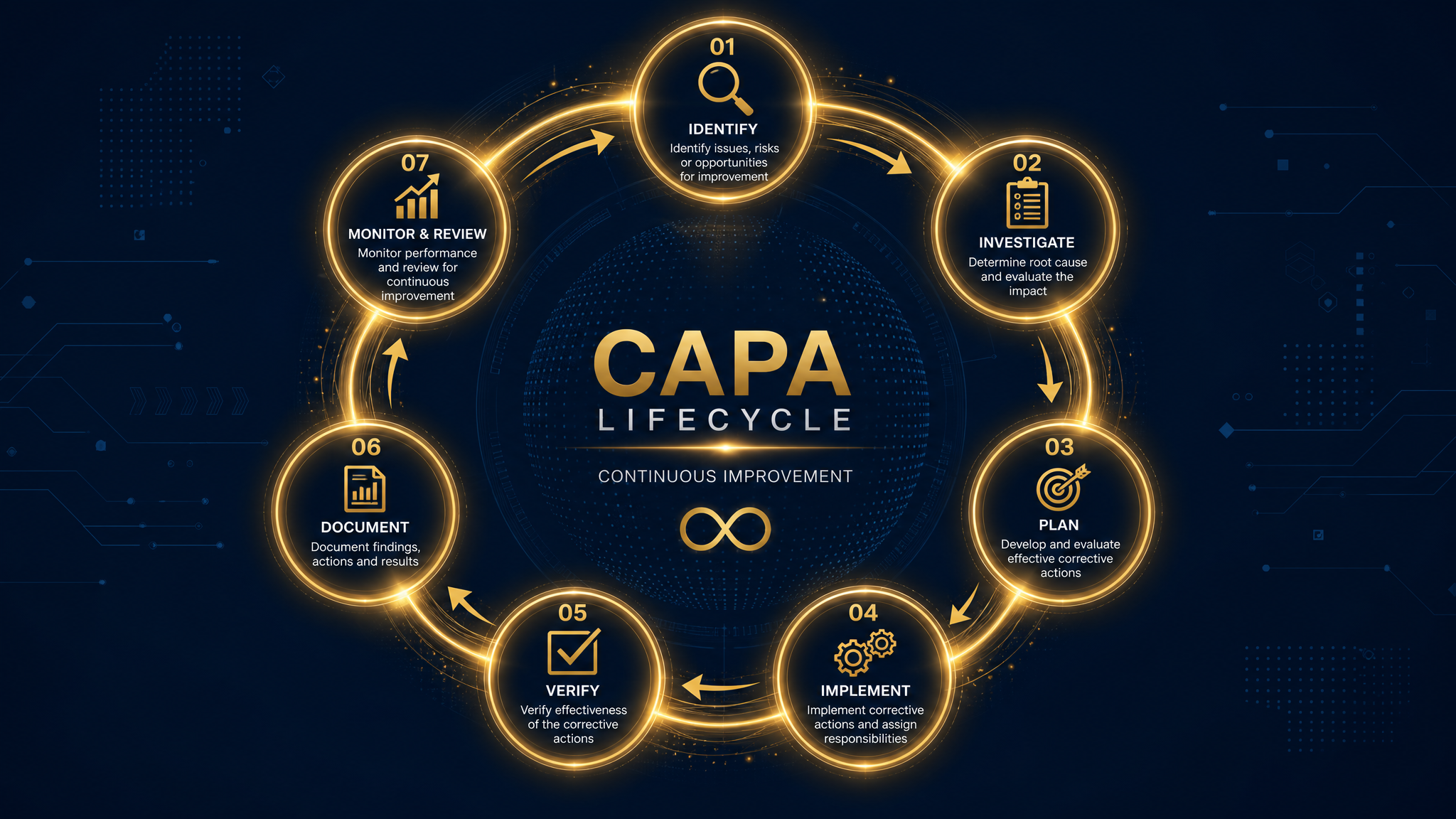
Once your gap analysis is complete, create an action plan that addresses the highest-priority gaps first. Use CAPA methodology to track each improvement from identification through verification of effectiveness.
See ExceleorQMS in Action
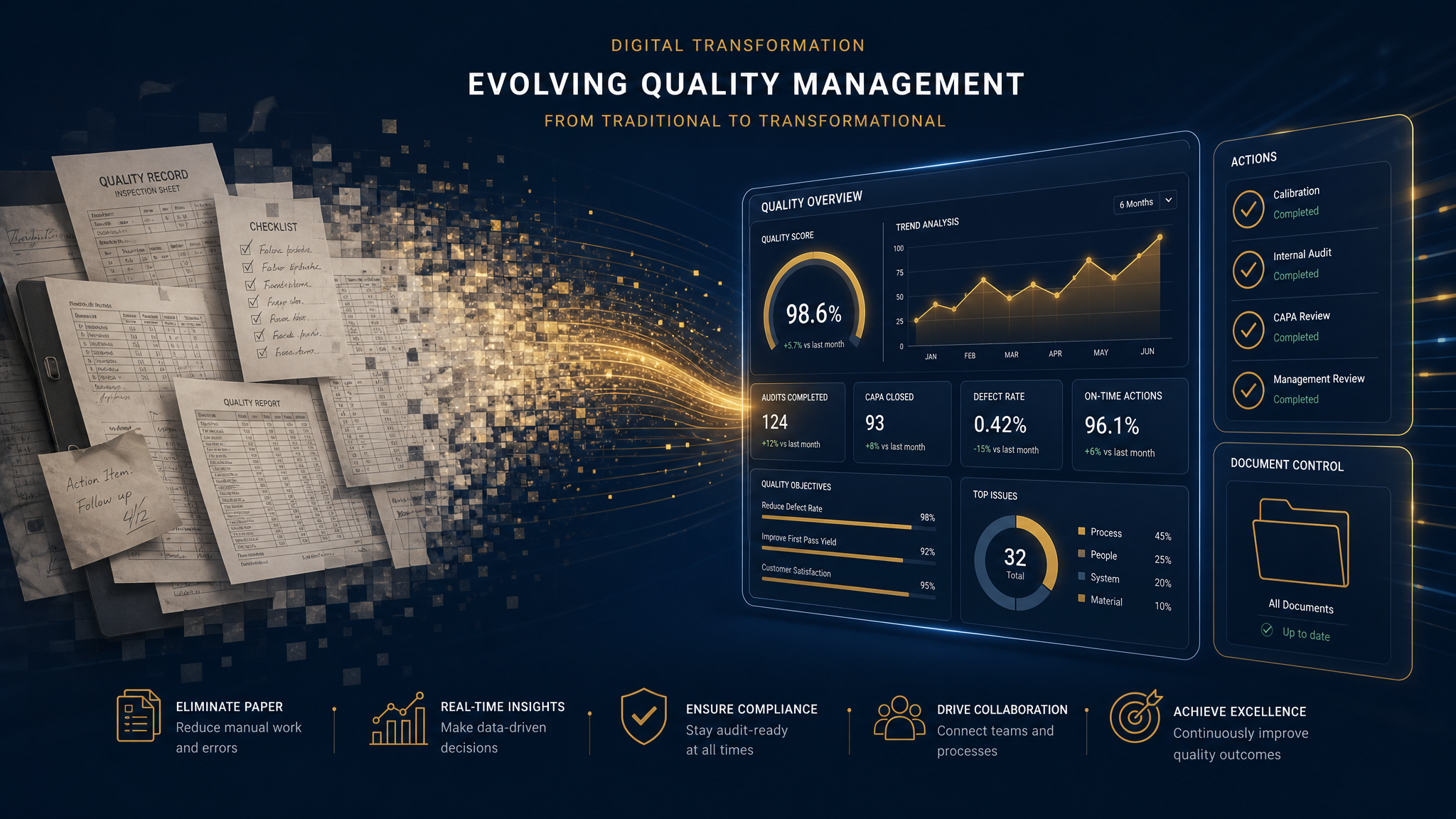
Experience how our platform automates compliance workflows, tracks CAPAs, and keeps you audit-ready — every day.