ISO 13485 Compliance Software: What Medical Device Manufacturers Actually Need
Why Generic QMS Software Falls Short for Medical Devices
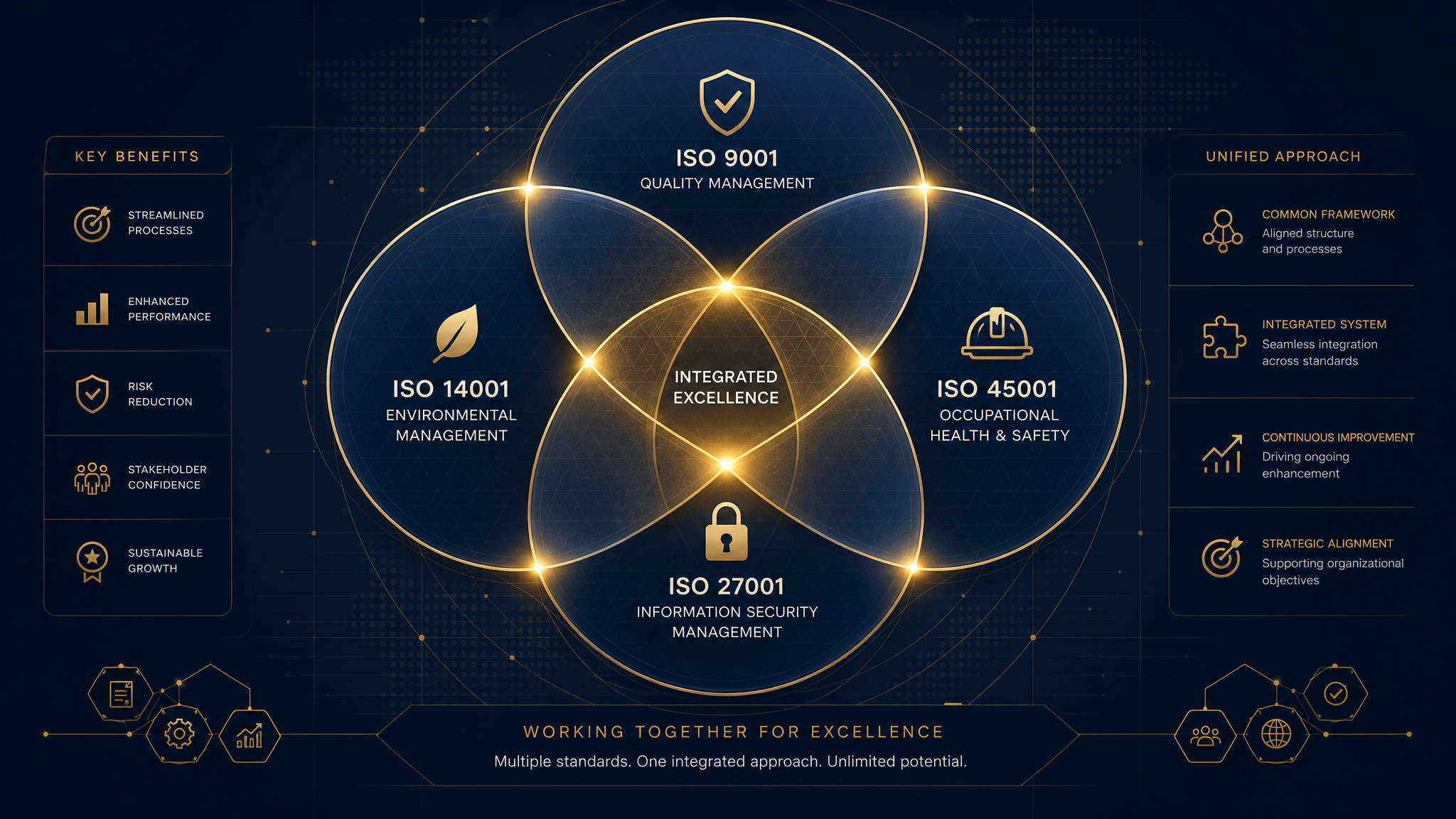
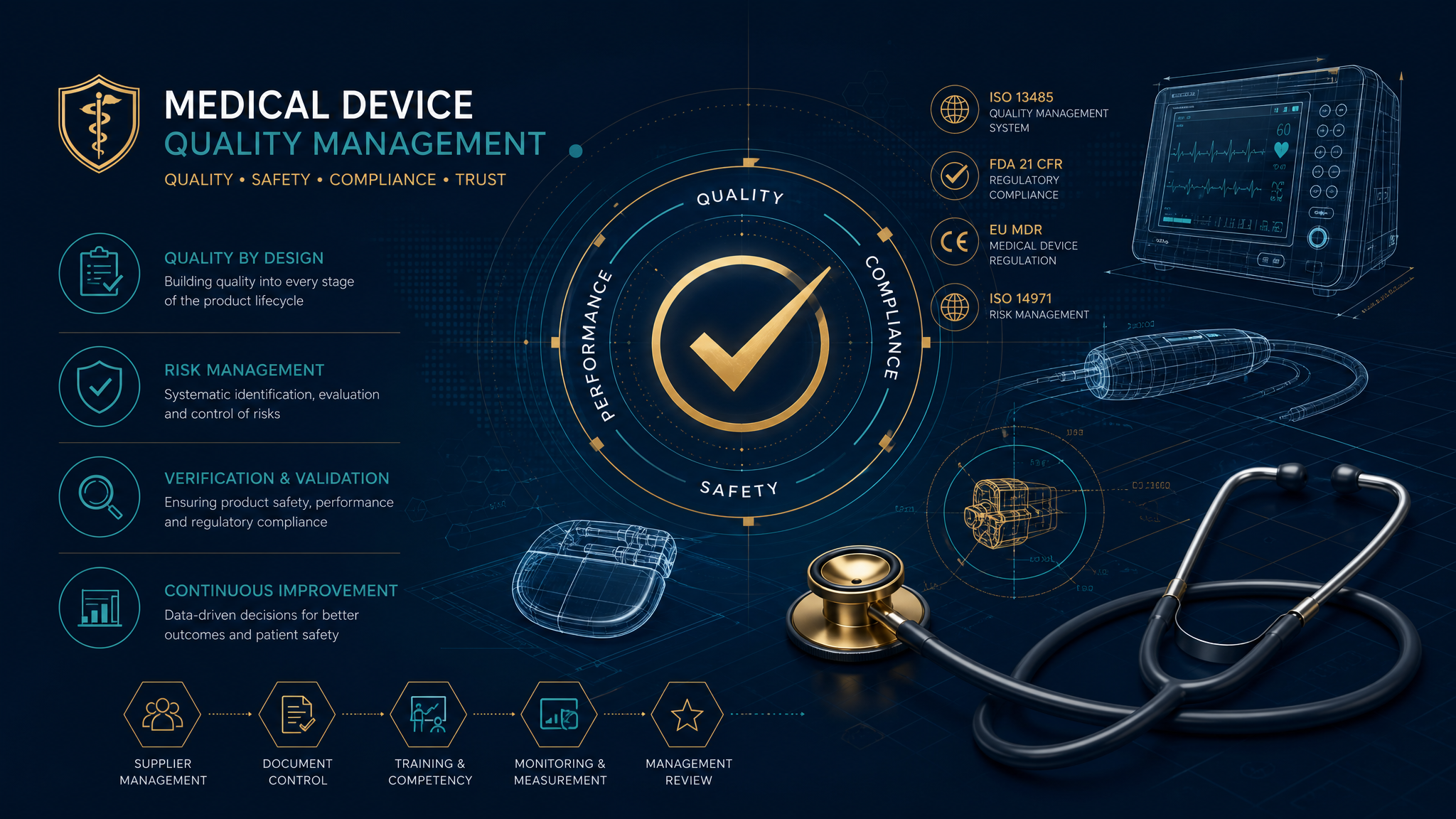
ISO 13485:2016 shares a structural foundation with ISO 9001, but the similarities end quickly when you examine the requirements in detail. Medical device quality management demands capabilities that go well beyond what most QMS platforms provide.
The regulatory landscape surrounding medical devices — FDA 21 CFR Part 820 in the United States, MDR in the European Union, TGA requirements in Australia — adds layers of complexity that generic quality management tools simply weren't designed to handle.
Key Differences Between ISO 9001 and ISO 13485
Risk Management Throughout the Product Lifecycle
ISO 13485 requires risk management to be applied throughout the entire product realization process, not just at a strategic level. This means your QMS must support:
Design and Development Controls
Clause 7.3 of ISO 13485 is significantly more prescriptive than ISO 9001's design requirements:
Traceability Requirements
Medical device manufacturers must maintain traceability from raw materials through production to final distribution. This isn't just best practice — it's a regulatory requirement that enables effective field actions and recalls.
Complaint Handling and Vigilance
ISO 13485 requires a specific process for handling complaints, including evaluation for regulatory reporting. When a complaint indicates a potential safety issue, the timelines are strict and the documentation requirements are extensive.
What Your Medical Device QMS Software Must Provide
1. Design History File (DHF) Management
Maintain a complete, organized design history for every product. Track design inputs, outputs, reviews, verifications, validations, and transfers in a structured repository that satisfies both ISO 13485 and FDA requirements.
2. Regulatory Submission Support
Your QMS should help you compile the technical documentation required for regulatory submissions — essential performance data, clinical evidence references, labeling, and risk management reports.
3. Complaint Management with Regulatory Evaluation
Every complaint must be evaluated to determine whether it constitutes a reportable event. Your system needs decision trees, regulatory timelines, and documentation workflows for adverse event reporting.
4. Supplier Controls for Critical Components
Medical device supply chains require heightened supplier management — incoming inspection protocols, supplier audit scheduling, and component traceability that follows materials from vendor through finished device.
5. Validation and Calibration Management
Process validation (IQ, OQ, PQ) and equipment calibration records must be maintained systematically. Your QMS should track validation status, schedule revalidation, and link calibration records to measurement results.
How ExceleorQMS Supports Medical Device Manufacturers
Our platform includes ISO 13485-specific modules:
Medical device compliance is too important — and too complex — for makeshift solutions. Purpose-built QMS software doesn't just help you achieve ISO 13485 certification; it helps you maintain it through every product generation and regulatory change.
See ExceleorQMS in Action
Experience how our platform automates compliance workflows, tracks CAPAs, and keeps you audit-ready — every day.